
 Canada
  Alberta
  British Columbia
  Manitoba
 New Brunswick
  Newfoundland Labrador
  Nova Scotia
  Ontario
  Prince Edward Island
  Quebec
  Saskatchewan
  United States
  Belgium
 France
  Italy
Italy  Switzerland
  Elsewhere

TOP 10 Recipes with Spices, Fragrant and Delicious
Cinzia Cuneo October 5, 2026 Eat Well, Recipes, Spices, TOP TensWhether mild or spicy, spices add zest to even the simplest dish with just a few well-measured pinches. They take your taste buds on a journey across world cultures and — better yet — enhance flavors so effectively that you can cut back on salt and fat. To help you better appreciate and use spices, here are 10 recipes that showcase them beautifully. (more…)

Menopause and Low Energy: Manon’s Testimonial
Nassim Drissi Smaili September 4, 2026 Dietitian, Health, TestimonialsAlways active and athletic, Manon was unprepared for the many changes menopause would bring to her daily life. Weight gain, changes in appetite, and — above all — a significant drop in energy led her to seek answers to better understand her body’s new needs. (more…)

Ghislaine’s Testimonial about Improving Cholesterol through Diet
Cinzia Cuneo August 12, 2026 Dietitian, Health, Heart Health, TestimonialsThere are many reasons why someone might consult a dietitian — such as digestive issues, weight loss, improving athletic performance, reducing fatigue, or a variety of other factors. In Ghislaine’s case, she turned to our VIP Dietitian service primarily to improve her cholesterol levels. (more…)
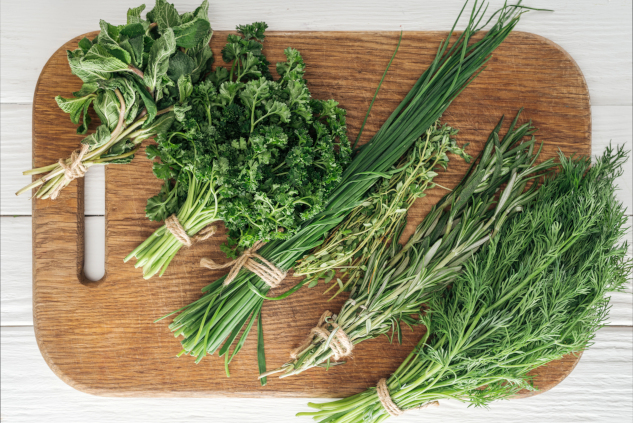
TOP 15: Recipes with Fresh Herbs to Use Up Summer’s Bounty
Cinzia Cuneo August 3, 2026 Eat Well, Herbs, Recipes, TOP TensTowards the end of summer, we often run out of ideas for using the herbs that grow so abundantly in our gardens. Don’t hesitate to add them just as they are to your salads, vinaigrettes, herbal teas, and cocktails. Of course, you can also cook with them — for instance, in one of the following recipes. (more…)
Fibromyalgia and Nutrition
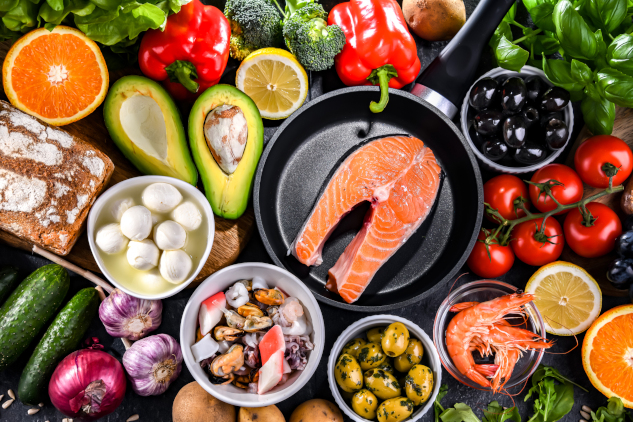
Lyna Hammouch July 27, 2026 Eat Well, FODMAP, HealthWhen you receive a diagnosis of fibromyalgia, it is natural to look for ways to better manage your symptoms. Because chronic pain, fatigue, and sleep disturbances can significantly affect quality of life, many people wonder whether diet could help improve their condition. (more…)